





⚡ From energy bills to production continuity: why, for energy-intensive companies, the real cost is plant downtime ⚡
In recent years, energy has become a central issue in every industrial strategy.
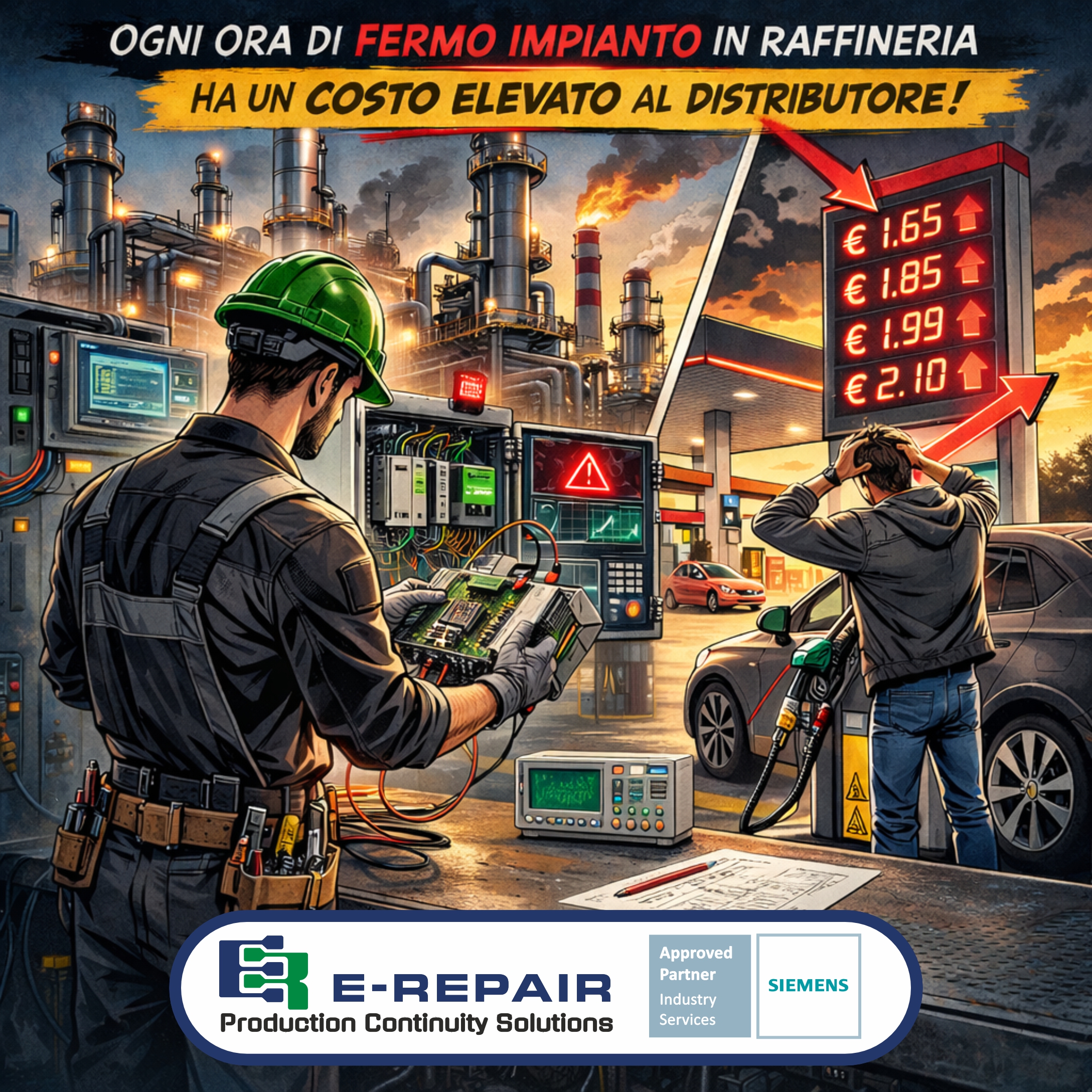
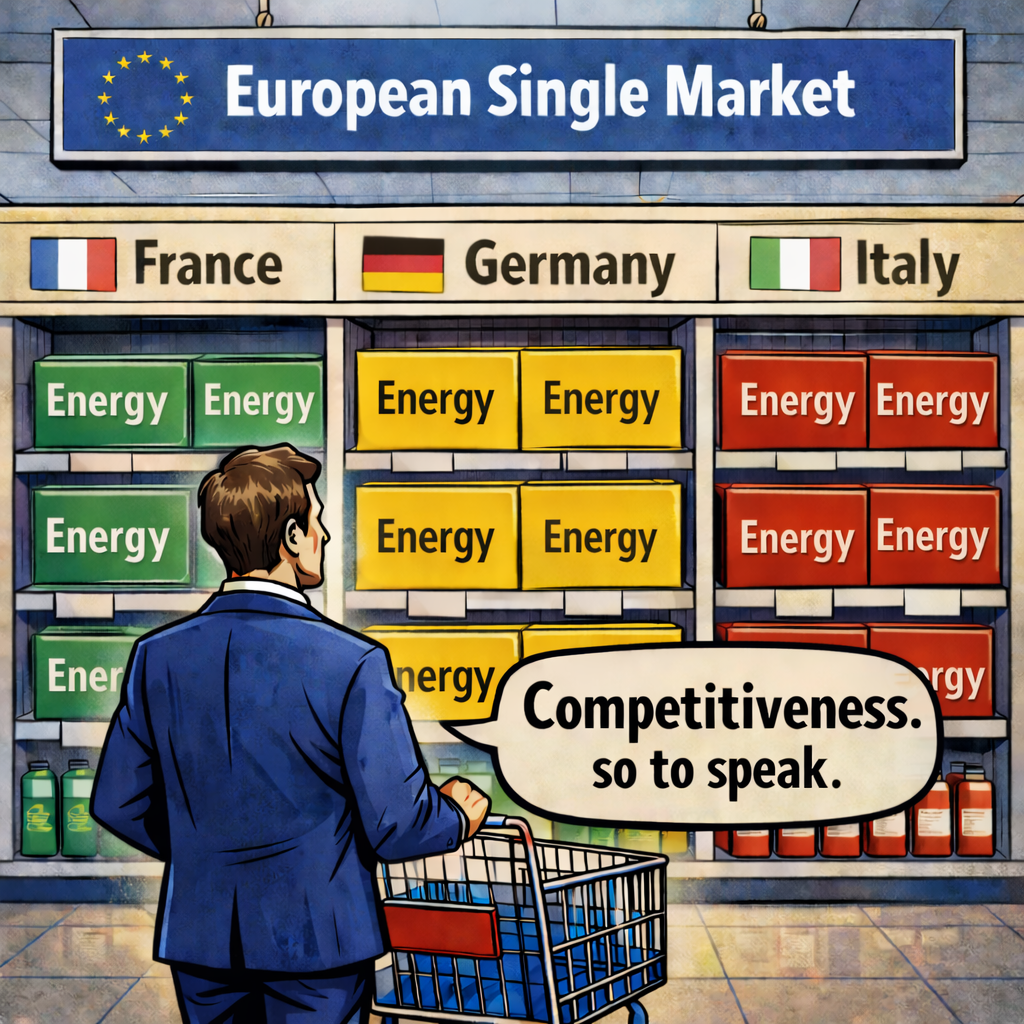
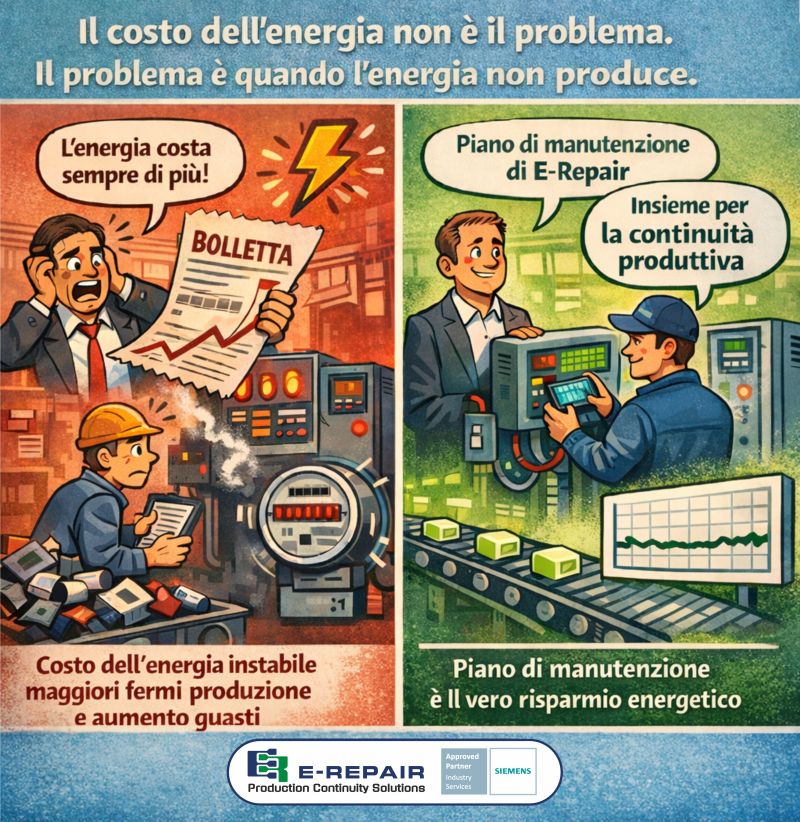
For many energy-intensive companies, however, the problem is not only the unit cost of the energy purchased, but above all the economic impact generated when production stops.
In many energy-intensive industrial sectors — such as steelmaking, metallurgy, ceramics, chemicals, paper, glass and continuous processes — every plant shutdown produces effects that go far beyond simple energy consumption.
⛔ When production stops, energy costs multiply ⛔
A production shutdown does not simply mean stopping a machine.
It often means dealing with:
🔌 energy absorbed without useful production
🔁 complex restarts with high energy absorption
📉 process waste
⚙️ additional stress on inverters, drives and control systems
⏱ loss of efficiency in production cycles
In many continuous-process plants, restarting actually requires higher energy consumption than normal production operation.
This makes plant downtime a cost multiplier that is often underestimated.
⚙️ Industrial electronics are at the heart of energy stability ⚙️
Production continuity increasingly depends on the stability of the industrial electronic devices that control processes.
Among the most critical components:
⚙️ inverters
🧠 drives and motion control systems
🔋 industrial power supplies
🖥️ HMI panels
📡 communication modules
🔄 PLC controls and process systems
When one of these elements loses reliability, the risk is not only technical, but also economic.
Even micro-anomalies can generate production instability and increase indirect costs.
💰 Why maintenance is now also an economic choice 💰
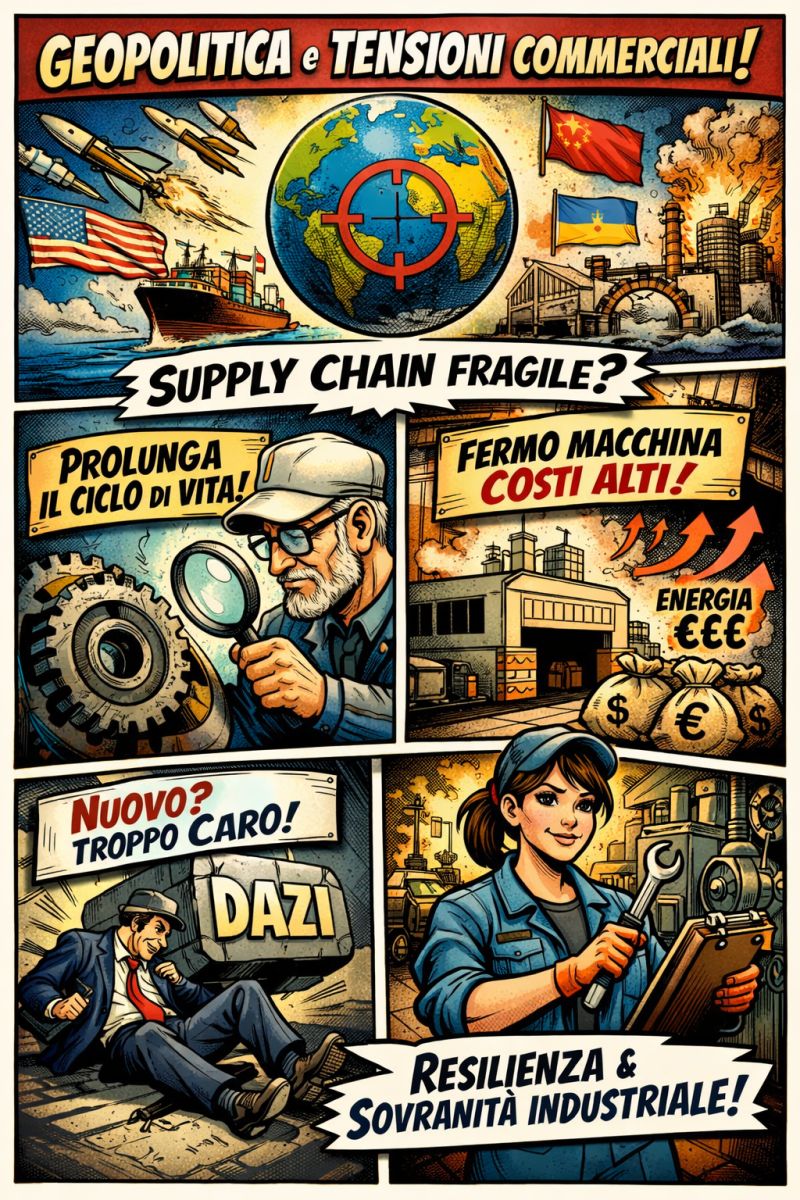
In the new European industrial scenario, maintenance can no longer be viewed solely as a technical activity.
Preventing plant downtime means:
reducing extra energy costs
limiting unplanned restarts
protecting industrial margins
increasing predictability of operating costs
For this reason, advanced maintenance plays a strategic role in industrial management.
🔧 From reactive maintenance to advanced maintenance 🔧
An advanced approach makes it possible to intervene before a failure generates instability.
Key activities include:
✅ specialist diagnostics
✅ repair in an in-house Siemens-certified laboratory
✅ remanufacturing of critical components
✅ machine data backup
✅ complete functional testing
✅ on-site and remote technical interventions
✅ support in defining maintenance strategies
The goal is not only to repair, but to stabilise the behaviour of the plant.
📈 Turning energy from a variable cost into a predictable factor 📈
When inverters, drives and controls maintain stability over time, energy costs also become more controllable.
Maintenance helps to:
improve production regularity
reduce indirect losses
limit critical events
make the energy budget more predictable
For many energy-intensive companies, this means competitiveness.
🏭 In the new European industry, those who can keep producing win 🏭
Today, paying less for energy is not enough.
The real competitive difference lies in the ability to maintain production continuity.
Because every unexpected shutdown has a cost that goes beyond the simple value of the energy bill.
🟢 Type Info Page