





The real data: what happened in 2025
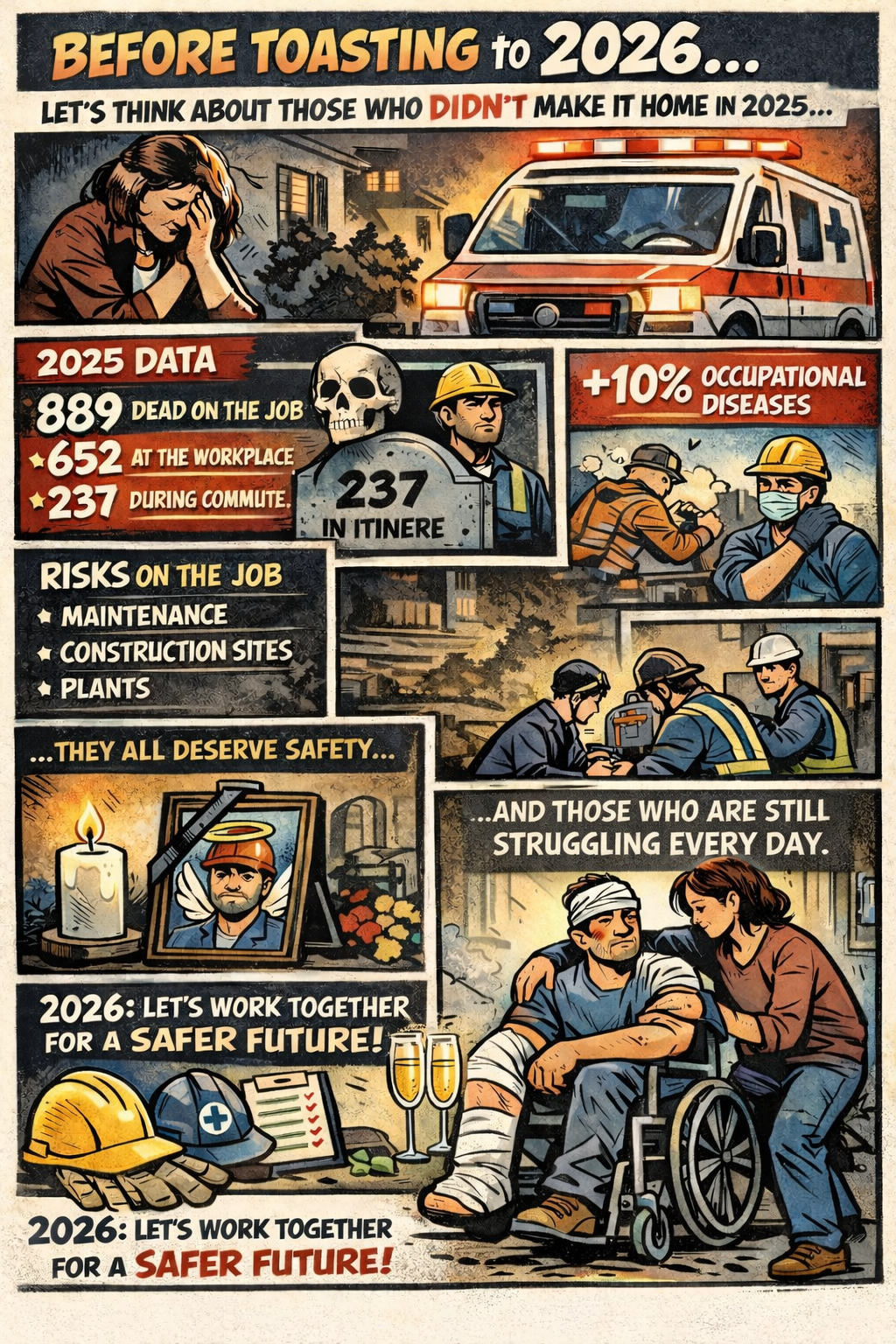
According to INAIL data relating to the first ten months of 2025:
-
about 889 fatal workplace accident reports (excluding students), an increase compared to 2024
-
652 deaths occurred at the workplace
-
237 deaths during the home–work commute
-
over 430,000 total injury reports
-
occupational diseases increased by about 10%
Behind every number there is a story, a family, a community that changes forever.
The most exposed sectors: when risk is part of the job
Those who work in technical environments know it well.
Industry, maintenance, technical services, construction and operational activities are the areas where the probability of accidents remains highest.
Paradoxically, they are also the most necessary jobs:
those that keep infrastructure, plants, energy, production and essential services running.
The production system relies on these professionals.
And too often they are the ones who pay the highest price.
The key point: safety is not compliance
Many companies approach safety as a regulatory obligation.
Documents, PPE, minimal training.
But real safety originates elsewhere: in activity design.
Accidents do not occur only because of human error.
They often result from:
-
outdated procedures
-
emergency interventions
-
postponed maintenance
-
time pressure
-
obsolete equipment
-
lack of planning
Most critical events occur when working outside normal conditions.
And this happens especially during failures and unexpected shutdowns.
The link between maintenance and safety
There is an often overlooked aspect:
safety is closely connected to operational continuity.
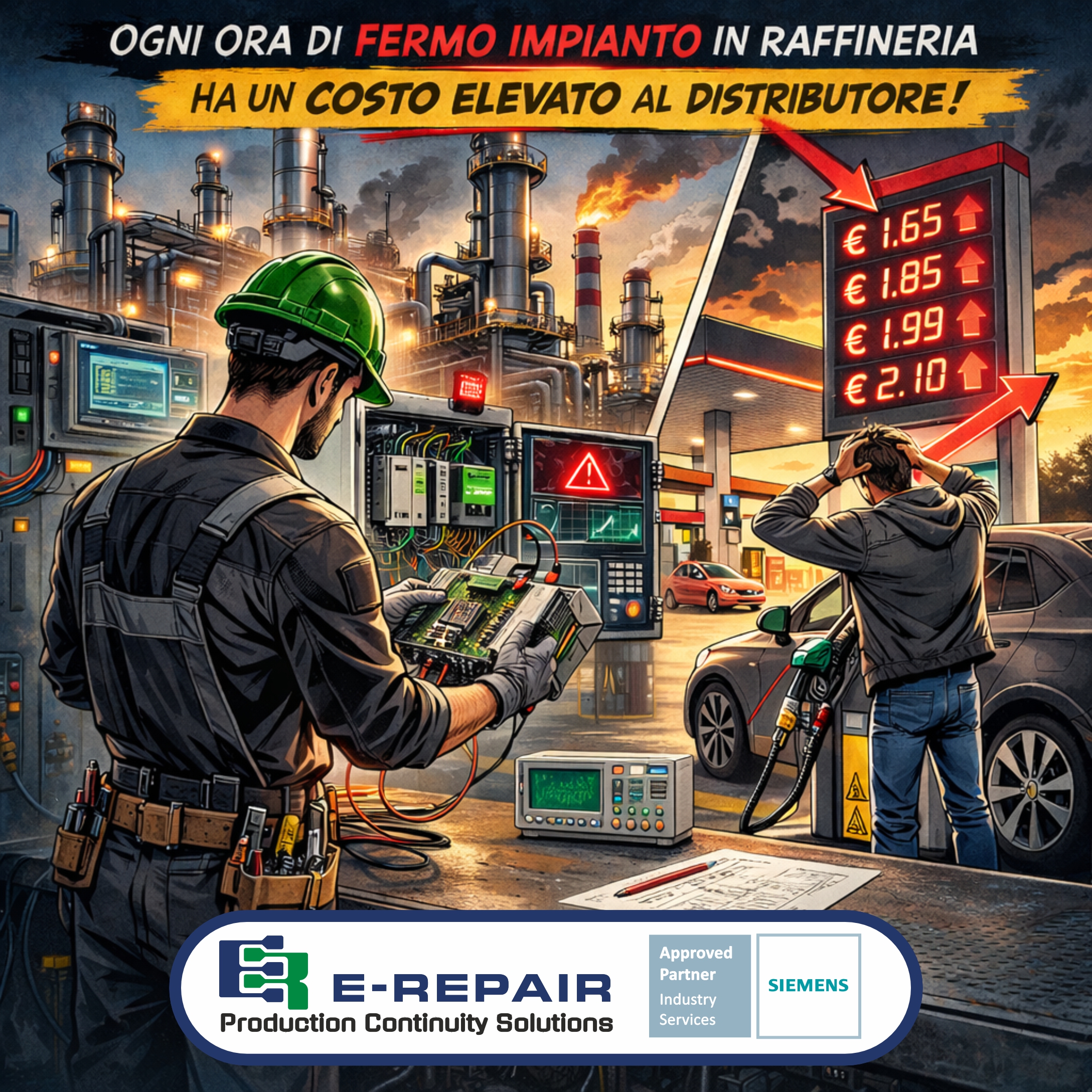
When a plant stops unexpectedly:
-
urgency increases
-
manual work increases
-
decisions under pressure increase
-
exposure to risk increases
Many accidents occur precisely during urgent restoration activities.
Preventing failure also means preventing accidents.
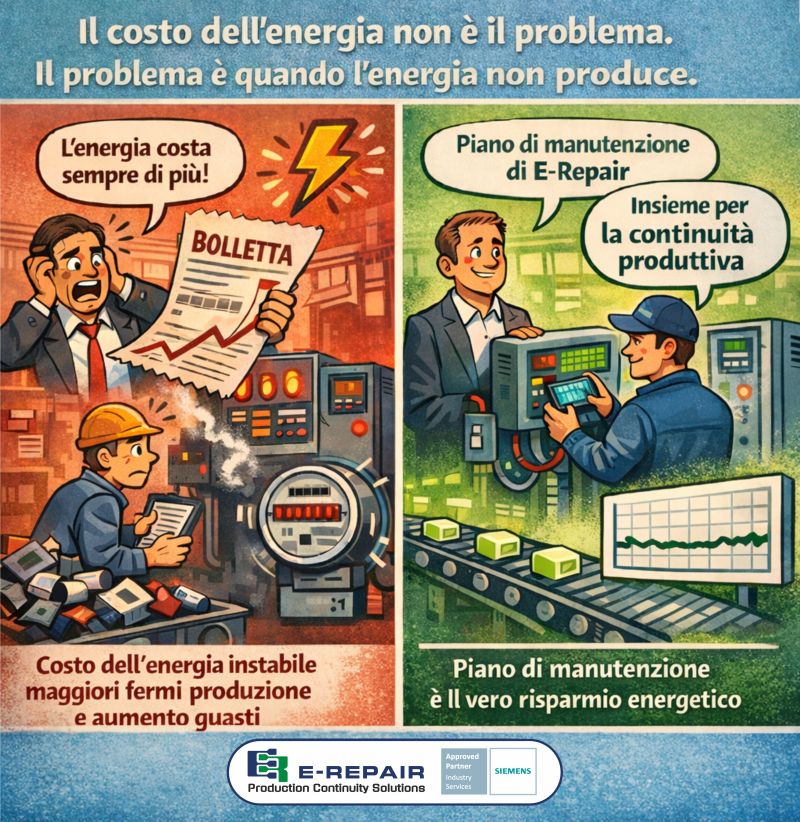
Maintenance does not only protect production.
It protects people.
Prevention culture: what really makes the difference
Reducing accidents does not depend on a single action, but on a structured approach:
-
real continuous training
-
operational risk analysis
-
planned maintenance
-
targeted technical investments
-
organizational responsibility
-
sustainable intervention times
Safety is not an additional cost.
It is an investment in company stability and in people’s lives.
Before looking at the new year
Before talking about goals, growth and results, it is worth pausing for a moment.
Remember:
-
those who did not return home in 2025
-
those who returned with a life forever changed
Safety is not only a company issue.
It is a human, social and economic value.
A different wish
Italian industry is made of competence, experience and responsibility.
Building safer workplaces means making the production system stronger and more sustainable.
Because a company that protects people is also a company that lasts over time.
Best wishes for a safer, more aware and more human year. 🛡️