Español (España)
  Deutsch (Deutschland)
  Français
  Italiano







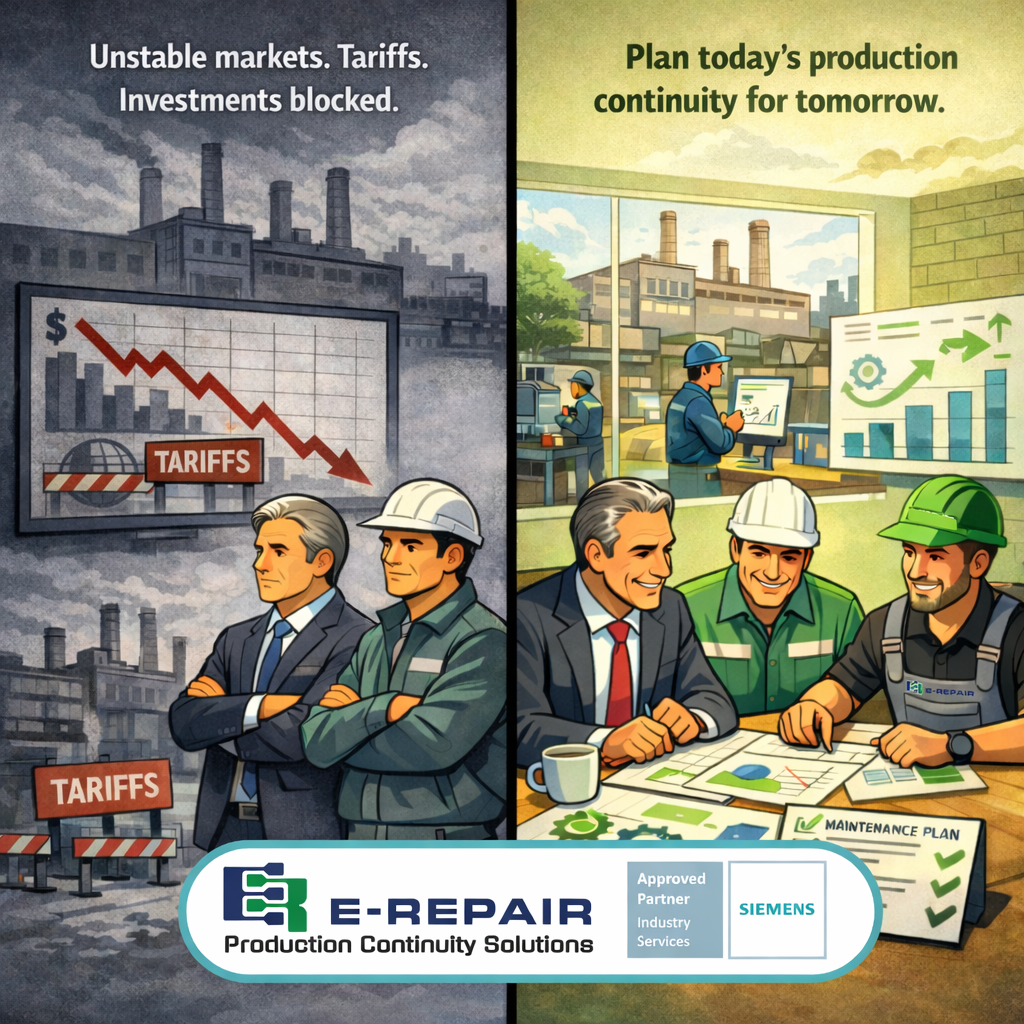
Cut Costs or Protect Production Capacity?
During expansionary economic phases, inefficiencies are absorbed by volume.
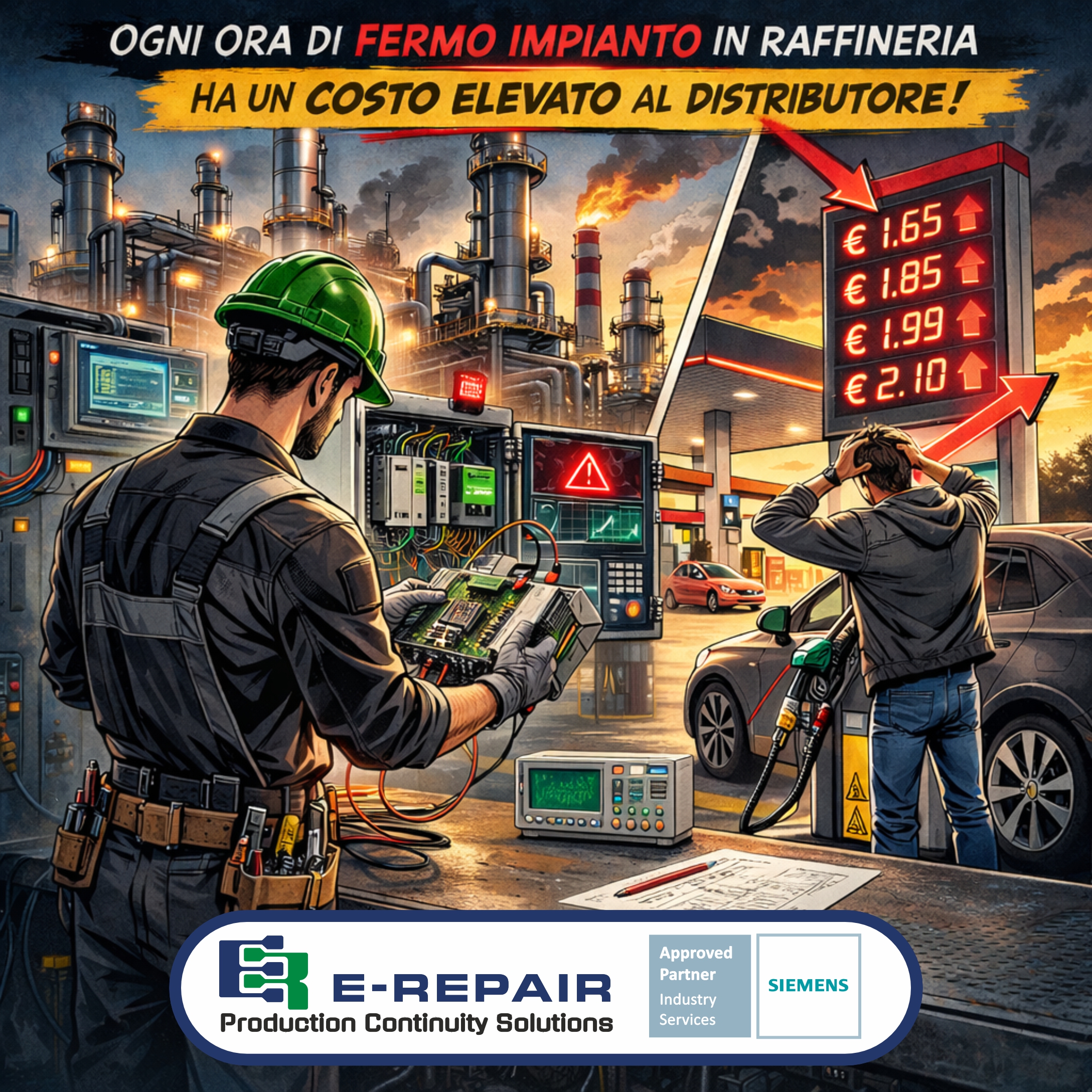
During uncertain phases, however, every plant shutdown immediately becomes a financial problem.
It is no longer just a technical issue.
Today, a production stoppage means:
-
missed deliveries
-
loss of customer priority
-
extraordinary costs
-
reduced margins
-
loss of competitiveness
For this reason, the difference is not made by the company that cuts everything,
but by the one that protects its operational continuity.
The Paradigm Shift: Maintenance Is Not a Cost
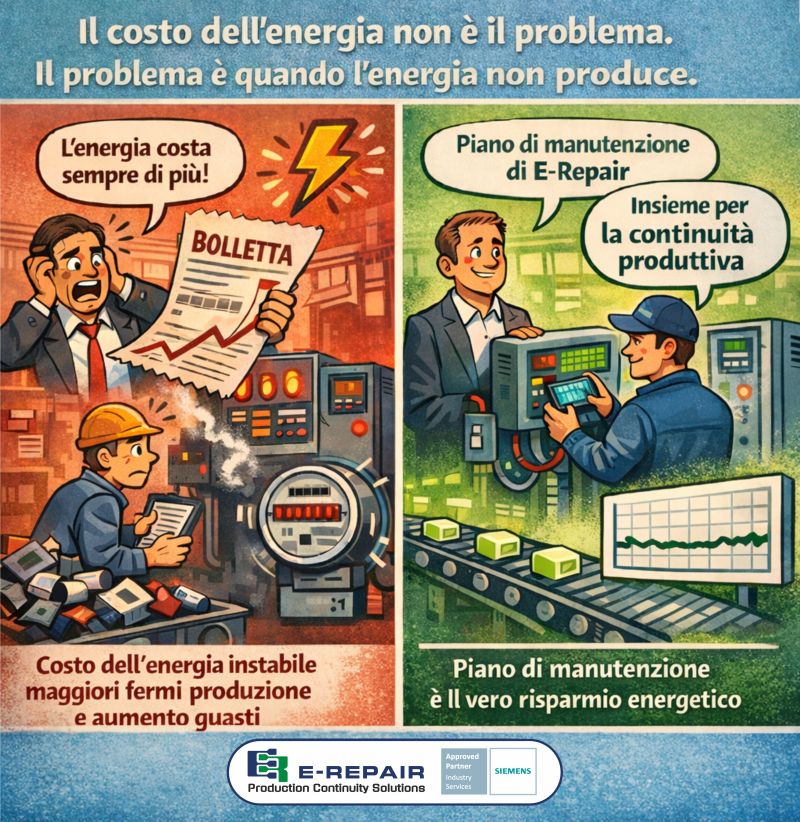
Traditionally, maintenance has been considered a reactive function: intervention occurs when something breaks.
In the current context, this logic becomes risky.
Today, advanced maintenance takes on a different role: it becomes an industrial lever.
It serves to:
-
stabilize production
-
control operational risk
-
make costs predictable
-
avoid forced investments
The real value is not repairing a failure — it is preventing the failure from becoming a business problem.
Why Plants Stop at the Worst Possible Time
Many plant shutdowns in European factories are not caused by major mechanical failures.
The most frequent cause is industrial electronics:
-
discontinued drives
-
obsolete PLCs
-
unavailable HMIs
-
failed communication modules
-
hard-to-source components
The issue is not the failure itself:
the issue is the time required to become operational again.
When the market slows down, downtime weighs twice as much —
because revenue is lost precisely when stability is needed most.
Advanced Maintenance by E-Repair: What It Really Means
Talking about advanced maintenance does not mean doing more maintenance.
It means performing maintenance with an industrial logic.
A modern approach includes:
-
preventive analysis of plant criticalities
-
component obsolescence management
-
advance availability of spare parts
-
specialized electronic repair
-
rapid technical support
The objective is not perfect repair — it is operational continuity.
Production Continuity = Investment Protection
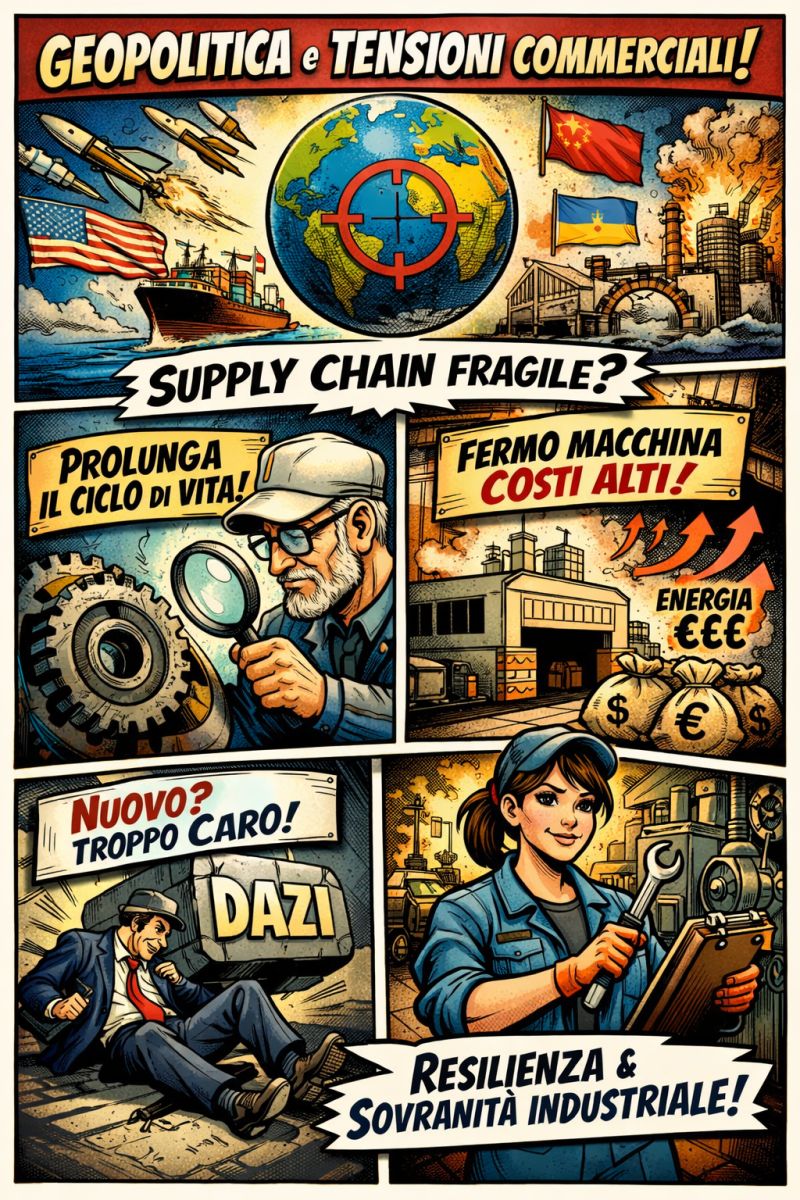
Replacing machinery is not always a technical choice.
It is often a decision forced by the lack of alternatives.
Regeneration and repair instead make it possible to:
-
extend plant lifespan
-
avoid investments during uncertain phases
-
plan upgrades at the right time
-
maintain production stability
In practice, they transform an emergency into a decision.
Industrial Resilience and Sustainability
Today, production continuity and sustainability coincide.
Regenerating instead of replacing makes it possible to:
-
reduce electronic waste
-
lower indirect emissions
-
avoid oversized plant investments
-
improve ESG indicators
Resilience is not only economic — it is also environmental.
The Real Difference in Times of Uncertainty
During favorable economic phases, all companies produce.
During unstable phases, only those that remain operational continue producing.
Industrial resilience is not built during emergencies.
It is built through decisions made beforehand.
Protecting production continuity today means:
-
not losing customers tomorrow
-
not halting future growth
-
being ready for the recovery
💬 In an uncertain industrial scenario, the greatest risk is either stopping — or failing to prepare not to stop.
🟢 Content Page Article – Focus on production continuity in unstable markets during the tariff period